
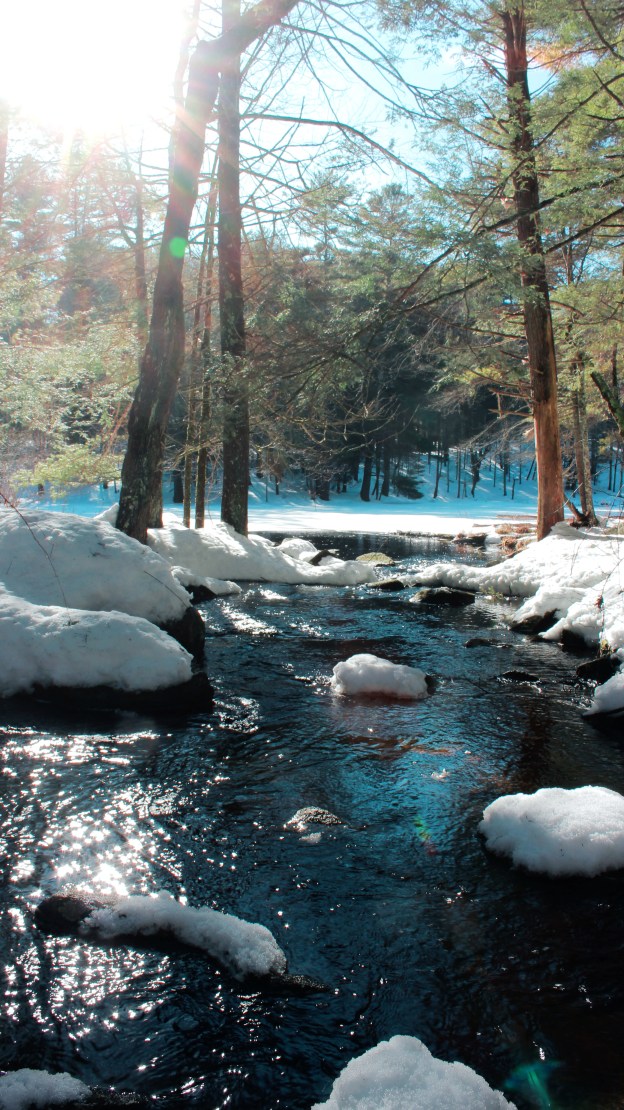
Living in New England, I think that March might be the most dramatic month of the whole year.
On the third of March we went “hiking” and ended up clumsily tripping through three feet of snow, but by the end of the month the ground was clear, and flowers were blooming.
You can watch my 60-second March wrap here!
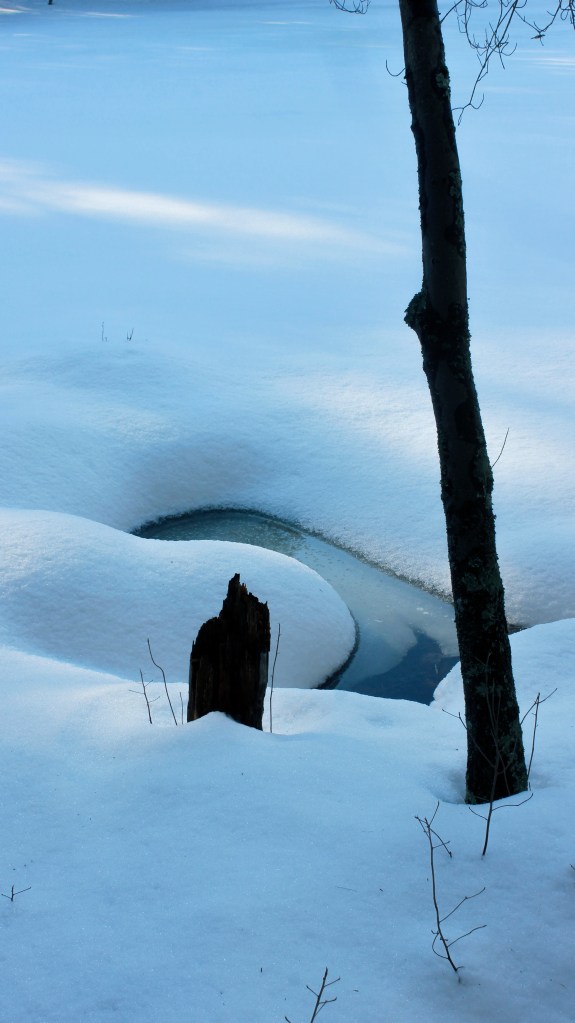
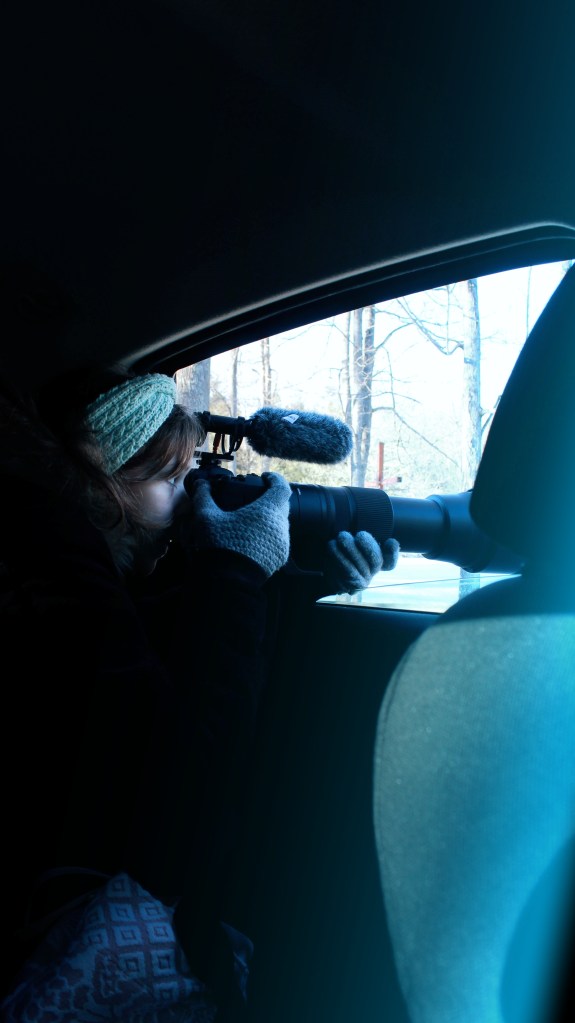
March 3rd, we definitely underestimated how much snow would still be at our local park; watch my spring vlog here!
Honestly, March was kind of tough for me; I’ve had quite a few physical problems plaguing me, but it’s the perfect time of year for this, because it’s the time of year when you can stop spending so much time sitting around inside (I’ll miss the quiet of winter though), and start spending much more time working outside.
And by the end of March we were already over our heads in yard work.
We’ve taken on the daunting (and slightly insane) task of turning our two acres into a native wildlife habitat. While we’ve already put in some ground work (growing our meadow and putting up more bird boxes has already greatly increased our wildlife), realizing that the majority of the plants around us are highly invasive is a hard pill to swallow.

Although we can’t do everything all at once (we wish we could), we have a few specific plants that have made it onto our current hit-list:
- bittersweet (highly invasive, spreads like crazy, and chokes and kills every plant it climbs; my #1 nemesis)
- bedstraw (spreads like crazy and pushes out other natives; super annoying and hard to pull up)
- multiflora rose (although this plant is gorgeous and the flowers smell divine, the plant is horrendous with its deadly thorns, and the 20-foot vines that twine through the branches of trees eventually kill the trees; these plants are extremely hard to uproot)
- Japanese knotweed (although we’re not currently in a position to rid our entire property of this yet, since it creates a desperately-needed barrier between us and the notorious neighbors, we’re eradicating it from as many areas as possible to keep it contained and under control; this stuff is hard to kill and can regrow from basically any part of the plant)
- poison ivy (this is actually native here, but it’s grown so out of control that we’re working to clear it from as many places as possible so that we can actually move freely on our property again)
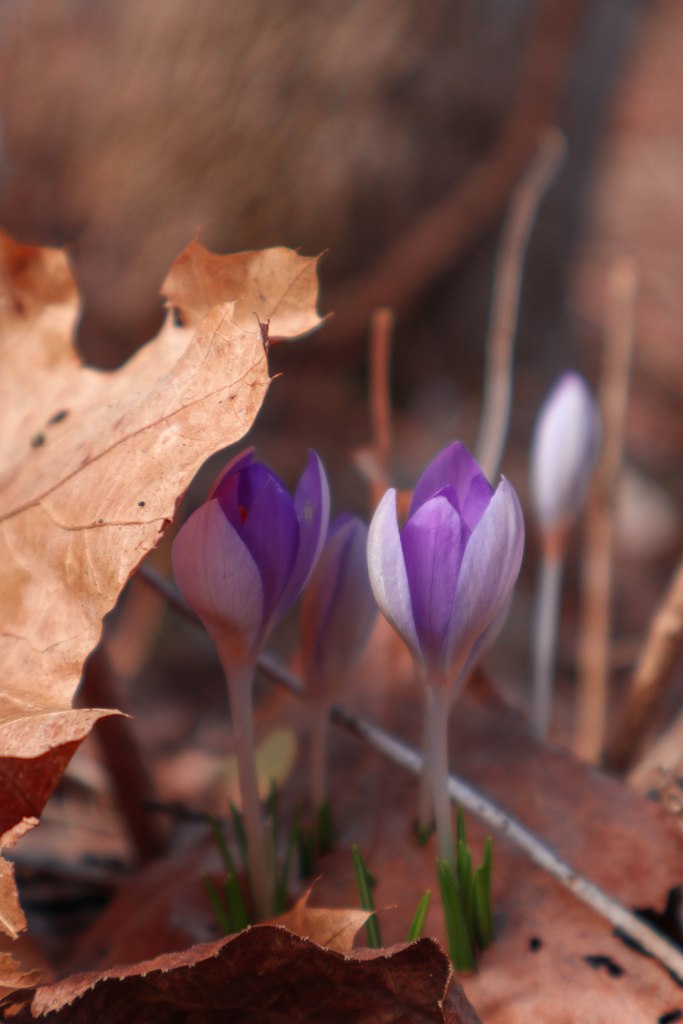
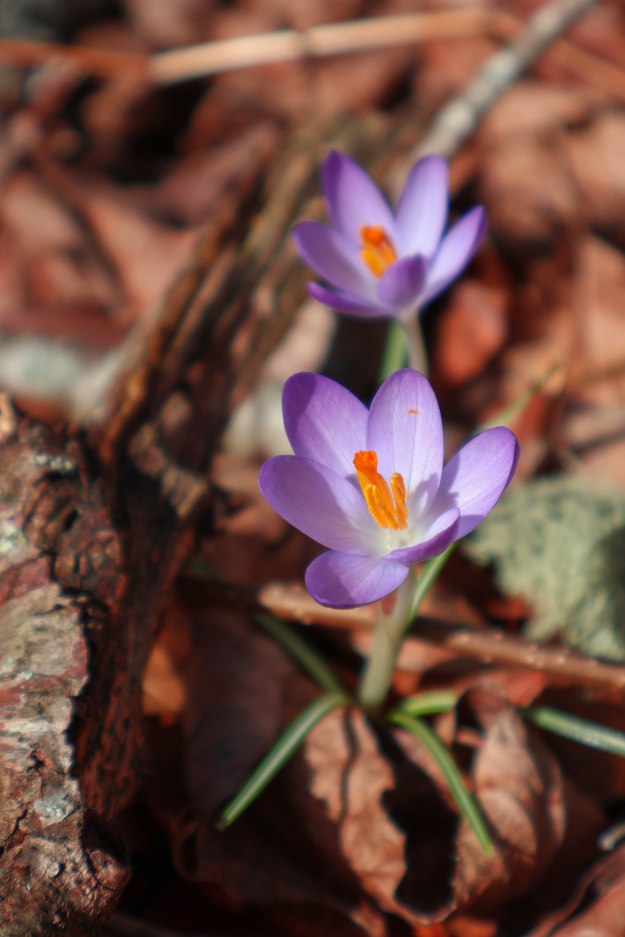
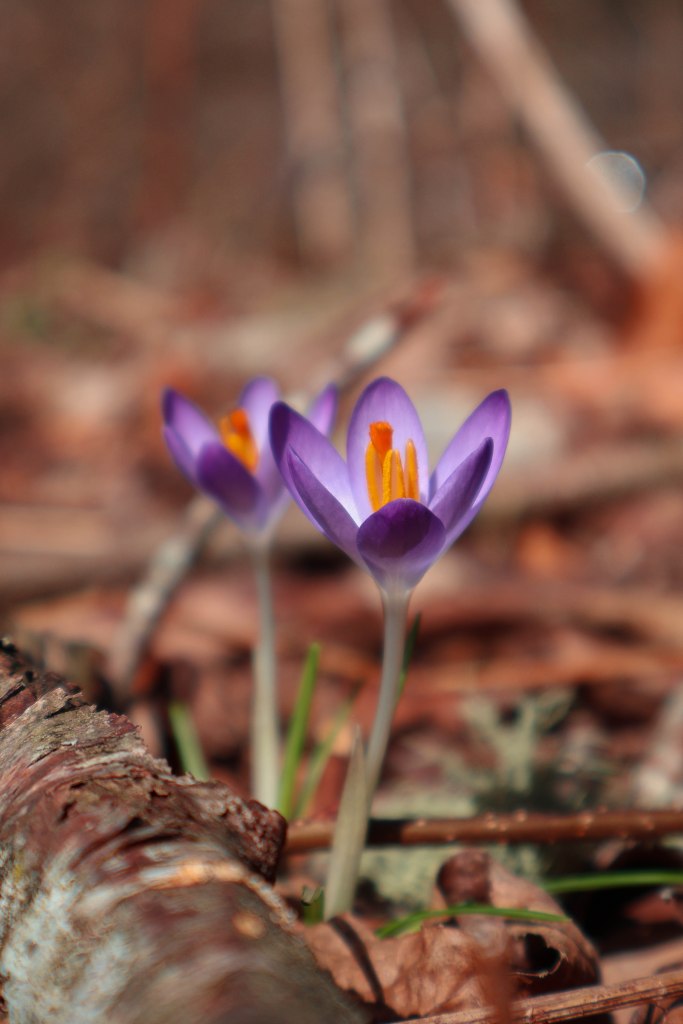
unfortunately none of my beloved spring bulbs are native, but they’re very much unproblematic, and the pollinators love them as much as I do, so they’re not on our hit-list
The work we’ve been doing has been insane, and unfortunately I don’t have too much footage of any of it, because we’ve been heading outside all suited up from head to toe (picture face shields, rubber boots, and gloves past our elbows) and immediately getting covered in poison ivy.
Little of this work would’ve been possible if Mom hadn’t invested in a Weed Wrench, and because of this incredible tool we’ve been able to painstakingly pull most of these plants out by their roots (definitely not as easy as it sounds in writing).
Do we have battle wounds? Of course.
Riley got a disgustingly severe case of poison ivy between her fingers which pretty much immobilized her for a few weeks (it was an unfortunate accident before we got suited up), and the amount of rose thorn wounds we’ve endured (which are surprisingly painful, and often leave bruises, swollen lumps, and bits of thorns in our flesh) have been…plentiful.
But I will say that most days when we go out we’re pleasantly surprised by how much progress we make (the trick is to try not to look at all that we have left).
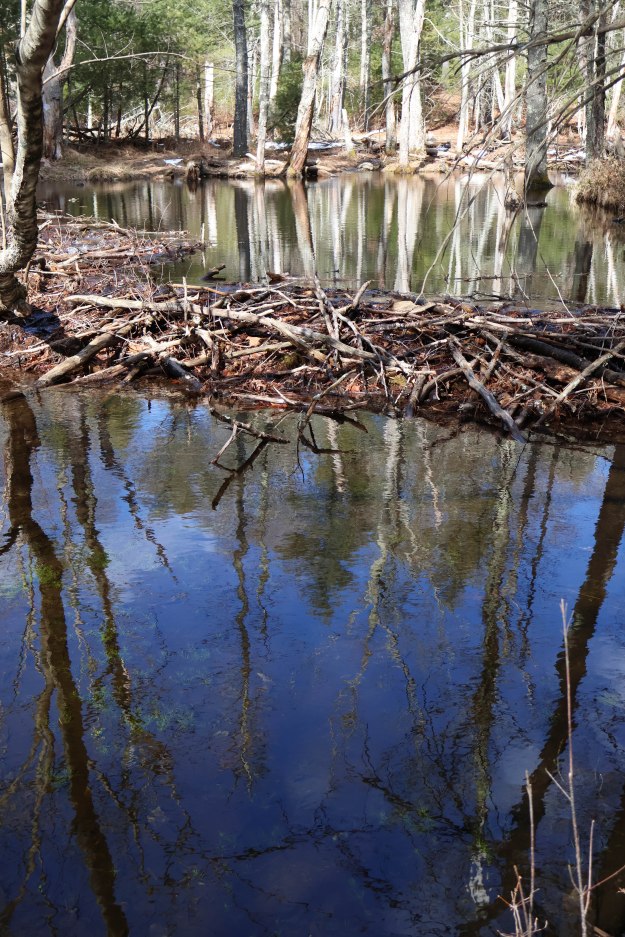
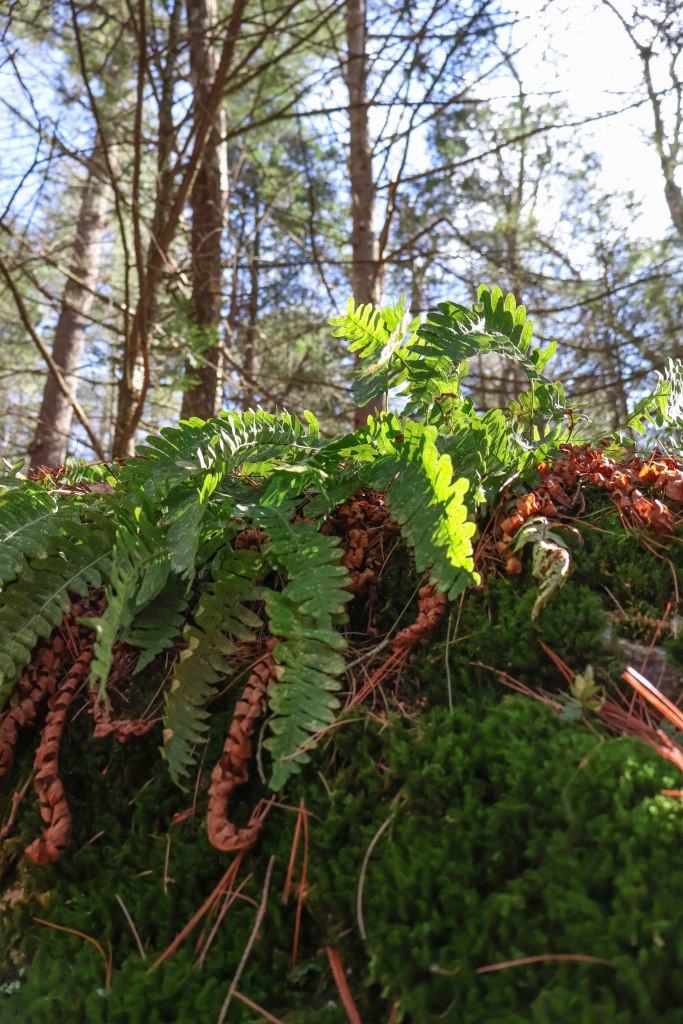
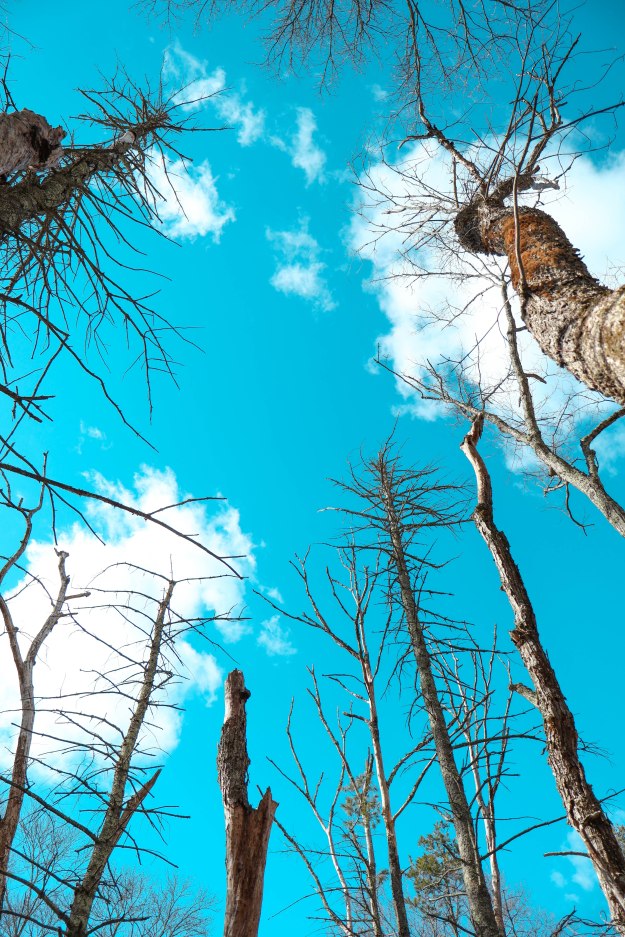
this was the first hike that I brought my new camera on (and if you’re wondering what I think of my new camera: I love it)
We aren’t just removing invasive plants though, we’re also replacing them with natives, and Mom and Riley have been having a field day planning out what goes where.
Riley has already done the research for the plant options we have; what grows tall, stays short, does best in sun, shade, and different soils. And so once Mom starts thinking about what kind of plant she needs for a specific area, Riley pulls up a list of options.
We just received our first order (three creeping junipers), and have multiple other orders that will be shipped in the next month or so (unfortunately I cannot even begin to remember all their names — but many of them will grow fruit that birds love!). We’ll also be getting many plant plugs from our friend (our local organic farmer), including some more elderberries!
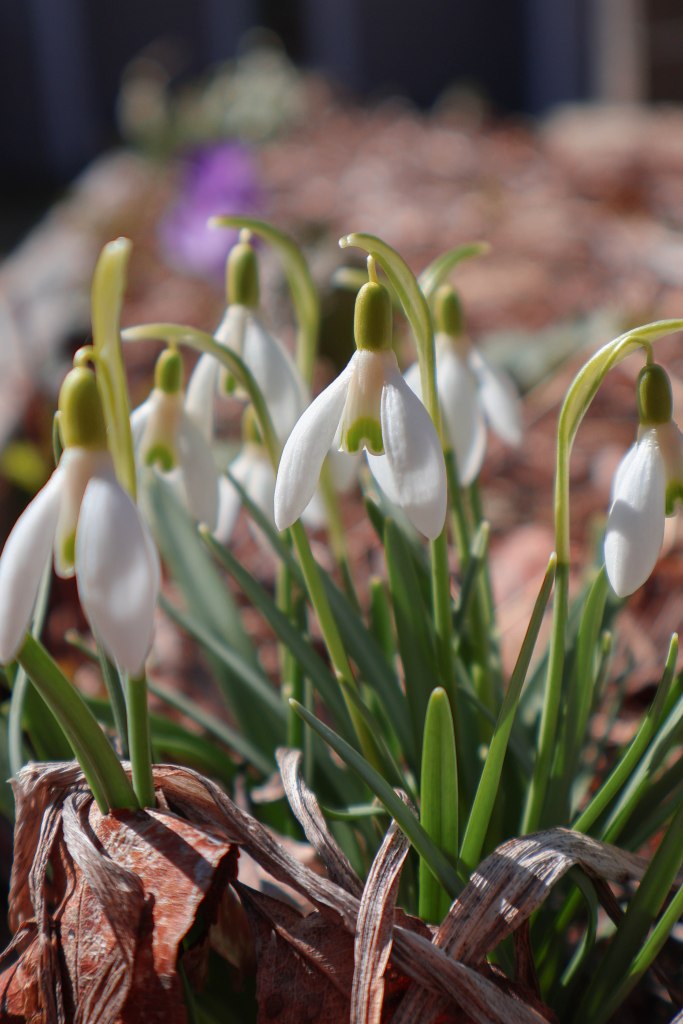
All of our plants will start small, but within a few years our property will definitely be transformed. We want less area to mow, and more benches, bushes, trees, flowers, and bird baths.
We also succeeded in building our first dead hedge (it’s been filled to the top of the poles since this photo was taken)! We love it, and are planning to build many more on our property. We’ll definitely have enough branches for a few more once we get our dead ash trees topped; we’ll be leaving the trunks standing though, because the birds love them, and you never know when you’ll get a nesting pair of woodpeckers!
You can watch us build some of the dead hedge in my March 29th vlog!
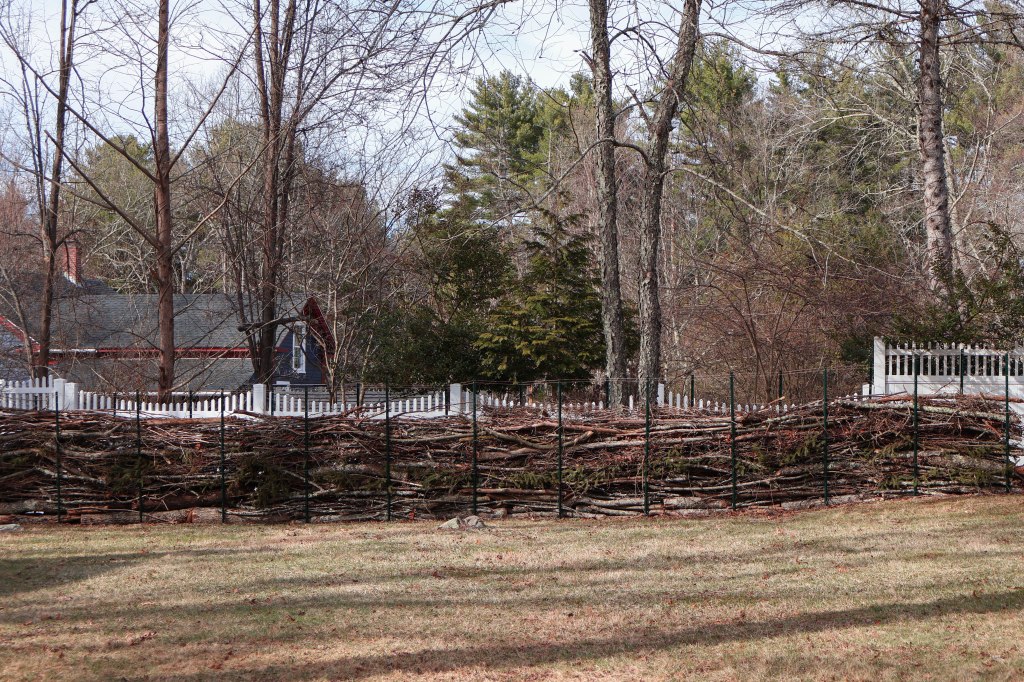


dead hedges create shelter and foraging grounds for birds, frogs, toads, small snakes, salamanders, insects, and over-wintering bugs!

